

Wisdom of the Andes and Secrets of the Amazon: The Spiritual History of Botanical Medicine and the Body's Harmony with Nature

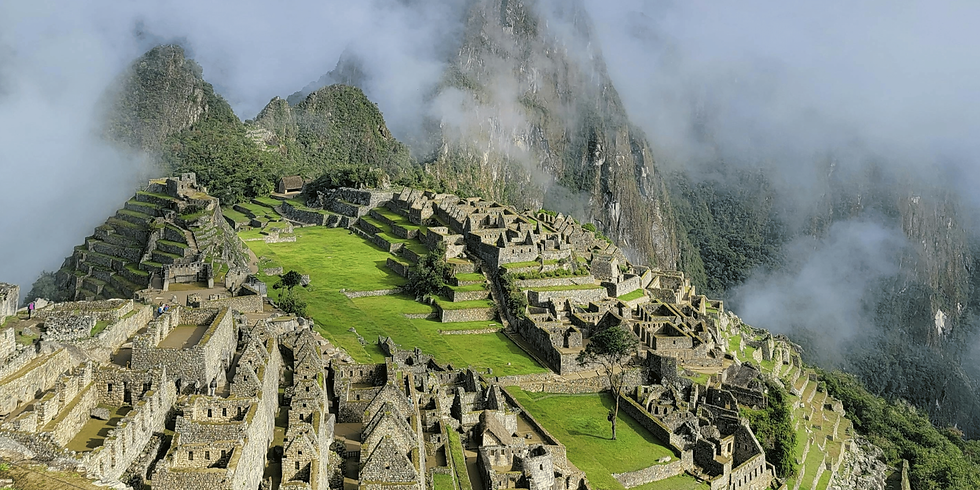
The Amazon rainforest and the Andes mountain ranges stretch like living arteries pulsating with the greatest biodiversity on Earth. In this majestic natural environment, the Mayan, Incan, and Aztec civilizations, alongside indigenous Amazonian tribes, developed one of the most complex and profound systems of botanical medicine in human history. The practice of herbalism there was not merely a series of physiological experiments; it was a comprehensive holistic system that blended botany, medicine, and deep spirituality.
Plants as Conscious Entities in Shamanic Philosophy
In ancient Latin American belief, nature is not viewed as a repository of raw materials, but as "Pachamama" (Mother Earth), the conscious living entity that embraces all forms of life. Within this vision, the "Shaman" (traditional healer) did not view the plant as a lifeless chemical compound, but as a spiritual being possessing wisdom and healing power.
The healing process was not limited to drinking a remedy; it began with spiritual communication with the "spirit of the plant," asking for permission to use its energy to heal the ailing. This profound respect for nature turned botanical medicine into a sacred practice requiring mindfulness and pure intentions, where the plant is a partner in healing rather than just a tool.
Healing Rituals: Treating Soul and Body Together
Incan and Amazonian healers realized that physical illness is often a reflection of an energetic imbalance or unresolved emotional trauma. Therefore, healing sessions focused on clearing energy pathways just as much as they focused on alleviating organic pain. Herbal prescriptions were accompanied by comprehensive rituals, including:
Healing Chants (Icaros): Sound vibrations believed to direct the plant's energy toward the affected organ to reprogram it.
Energetic Cleansing: The use of aromatic smoke to drive away heavy energies and negative emotions trapped in the individual's electromagnetic field.
Emotional Release: Providing a safe space for the individual to express their fears, believing that releasing emotions accelerates the body's response to plant extracts.
The Latin Pharmacy: Botanical Treasures That Changed the World
These civilizations provided humanity with a immense medical legacy, with many of these plants still forming the foundation of modern therapies and holistic practices:
Cinchona Bark: Andean peoples discovered its fever-reducing properties. It later became the primary source for extracting "quinine," which saved millions from malaria.
Raw Cacao: Known as the "food of the gods," it was used medically as a circulatory stimulant and a powerful natural trigger for happiness hormones, making it an effective remedy for depression and mental exhaustion.
Maca Root: The resilient Andean plant, used to increase endurance, balance hormones, and boost fertility in harsh climatic conditions.
Palo Santo: The "Holy Wood" rich in essential oils, used as an anti-inflammatory and atmospheric purifier that soothes a tense nervous system.
Yerba Mate: A plant rich in antioxidants, used to elevate mental focus levels and revitalize the body without exhausting the adrenal glands.
A Sustainable Legacy Inspiring Us Today
The greatest legacy we inherited from Latin American civilizations is the realization that humans are not separate from their environment or their emotions. In our current era, there is a desperate need to return to this holistic approach. Blending botanical wisdom with emotional release techniques provides a true path to restoring lost balance. This is the very same approach we embrace in modern wellness spaces, such as the Abel Alatrash center in Metz, to help individuals cleanse their energy pathways and renew their authentic connection to life.


Comments