

Secrets of the Pharaohs: How Did Ancient Egyptians Use Plants to Support Vitality?

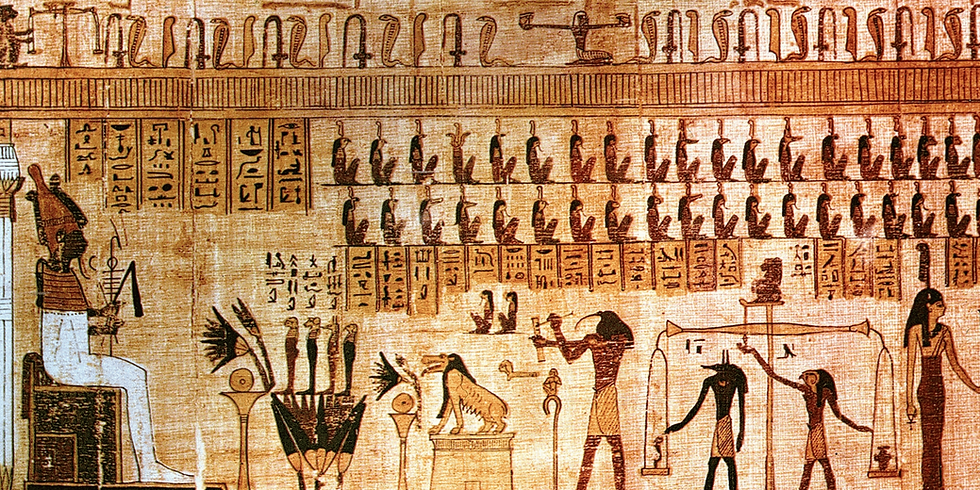
On the fertile banks of the Nile, the ancient Egyptian civilization did not merely build breathtaking pyramids and temples to withstand the test of time; it also established one of the most profound systems of physical and spiritual harmony in human history. To the Pharaohs, nature was not just a silent material environment, but an extension of life itself—a living cabinet filled with secrets that helped people preserve their youth, vitality, and mental clarity in the face of life's fluctuations.
In this article, we travel back in time over three thousand years to explore how ancient Egyptians used supportive plant wisdom ("Phytology") as a daily tool and life philosophy to enhance well-being and elevate both body and spirit.
The Ebers Papyrus: The First Comprehensive Wellness Guide
The "Ebers Papyrus," dating back to around 1550 BC, is one of the oldest and most important historical documents revealing the depth of the Pharaohs' botanical knowledge. This extensive manuscript is not just a collection of random recipes; it contains over 700 plants and natural compounds, serving as a comprehensive guide to understanding the body's vital "Terrain."
Ancient Egyptians realized very early on that constant exhaustion, stress, and loss of energy were merely signals of an internal imbalance. They believed that plants, with their natural frequencies and properties, possessed the ability to gently restore this harmony without forcing or exhausting the body.
Nature's Treasures in Egyptian Temples and Palaces
The Pharaohs used a wide range of plants and herbs that remain the cornerstone of natural wellness practices to this day. Among these remarkable treasures:
Frankincense and Myrrh: The use of these precious aromatic resins was not limited to mummification or major religious rituals. They were burned daily in temples and homes to purify the air, clear the mind, and dispel negative energies. Inhaling these scents was considered an effective way to soothe the nervous system and stimulate deep relaxation—the exact principle we use today in "Aromatherapy" or "Olfactotherapy."
The Blue Lotus: This sacred flower symbolized rebirth and renewal. Its extracts were used in ancient times as a powerful support for emotional release and clearing accumulated stress. It was steeped in liquids and served during moments of meditation and quiet celebrations to help the mind shed the burdens of the day and transition into a state of serenity.
Castor and Sesame Oils: The Egyptians understood the importance of lymphatic and muscular massage to maintain joint flexibility and drive away fatigue. They used these plant oils as a base, blended with aromatic extracts, to massage bodies after long periods of work, helping to relax tight muscles and renew vitality.
Aloe Vera: Called the "plant of immortality" by the Pharaohs, it was a secret behind the radiant skin of queens like Cleopatra and Nefertiti. Its cooling and refreshing properties were used to maintain skin vitality and support the body's internal and external hydration against the scorching summer sun.
Coriander, Cumin, and Anise: These seeds were added to daily diets and beverages not just for flavor, but for their well-known properties in supporting digestive comfort, reducing feelings of heaviness, and preventing bloating that could disturb one's mood.
The Body as a Temple: The Philosophy of Inner Harmony and Care Rituals
The central idea in Pharaonic wisdom is that "the body is the temple of the soul." Therefore, its cleanliness and vitality had to be preserved from the inside out. Ancient Egyptians never separated physical comfort from psychological peace; rituals of bathing with essential oils, followed by herbal massage sessions, were an essential routine for both workers and kings alike. They believed that only a relaxed body was capable of embracing a clear mind and a creative soul.
Reviving the Wisdom of the Pharaohs in Your Modern Routine
We may not live in the time of the Pharaohs or walk among the columns of the Karnak temples, but our bodies still respond to the same natural intelligence that the earth embedded in its plants. At the Abel Alatrash center in Metz, we draw inspiration from this ancient wisdom to offer holistic guidance tailored to the challenges of our fast-paced era.
By integrating the properties of supportive plants (Phytology) with deep relaxation techniques, aromatherapy massage, and emotional release, we help you purify your energy pathways, alleviate the burden of stress, and restore your innate vitality to be at your best every day.


Comments